
The latest ABS Labour Force data for February 2026 has highlighted an interesting trend beneath the surface – changes in the mix between full-time and part-time employment.
Part-time employment surged last month and now accounts for over 31% of employed Australians. It raises an interesting question: who is driving this shift – employers, employees, or a combination of both?
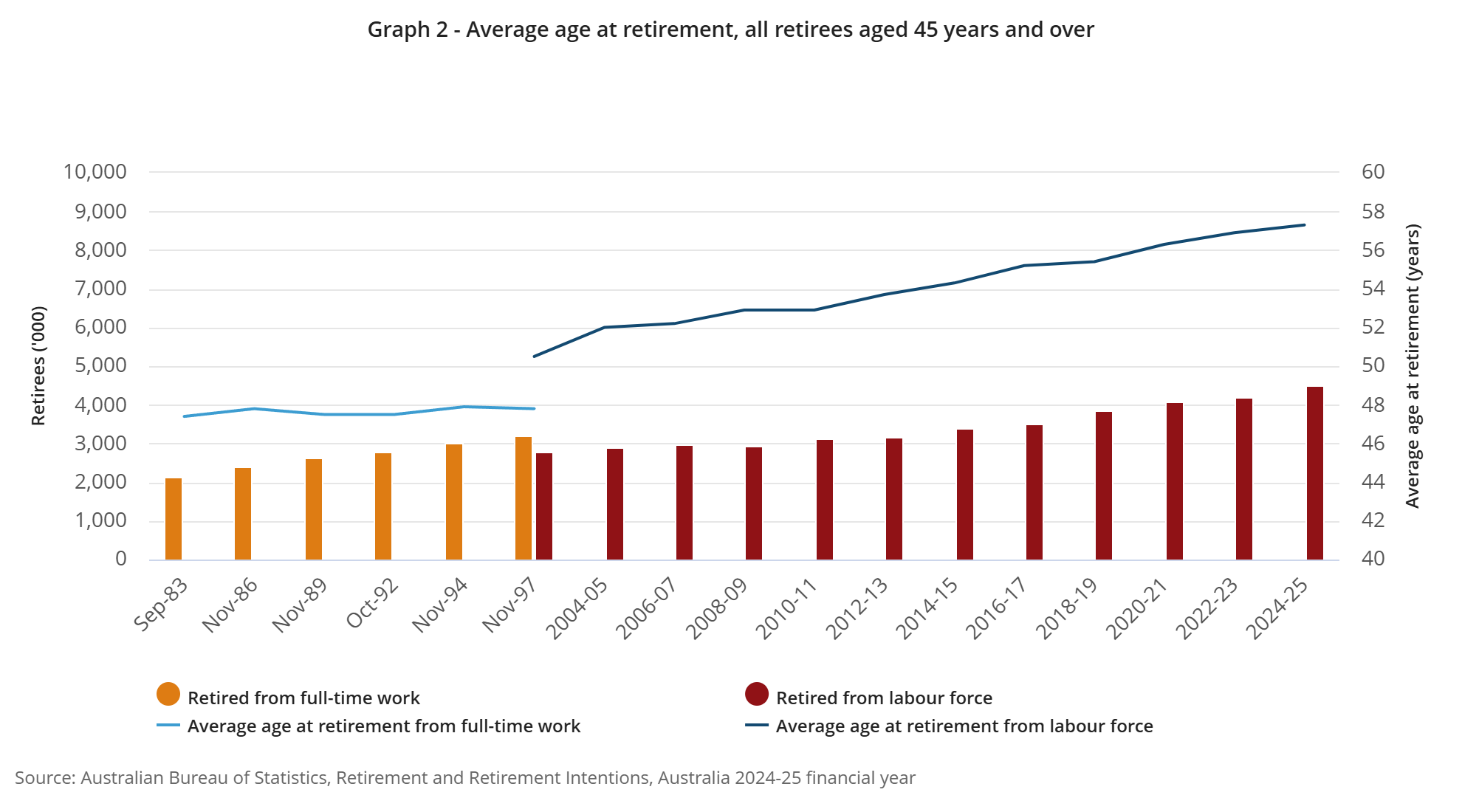
Looking at the most recent data, ABS Head of Labour Statistics Sean Crick noted that “fewer people are leaving jobs to retire compared to a year ago”. The average retirement age in Australia is also continuing to increase. It seems the concept of a fixed retirement age is fading, replaced by a more gradual transition out of the workforce. For many, that transition includes reduced hours or part-time work, which may be contributing to the growth we are seeing.
At the same time, worker preferences are evolving and for some, part-time work is a choice rather than a compromise (last month over 35% of unemployed were only looking for part-time work). Whether it’s balancing family or life commitments, pursuing study, or supplementing income through multiple roles, we are also seeing interest at a local level in part-time work arrangements.
For employers, this presents both a challenge and an opportunity. Those who can offer flexibility may find themselves in a better position to attract and retain talent. Equally, having access to flexible workforce solutions can help businesses respond more effectively to changing demand.
We share trends to support your workforce planning, however, there is rarely a one-size-fits-all solution. If you’re reviewing how flexibility might fit within your workforce strategy, we’d welcome the opportunity to share our insights on the local labour market and discuss how Top Office Group can support your recruitment plans. Connect with us today on 07 3812 2920 or email recruitment@topoffice.com.au.